


Goth music, the cause of rising suicidal rates?
Before reading what I wrote below, please visit http://www.timesonline.co.uk/article/0,,2-2133369.html for the source I quoted below. Also, these pictures are the artistes I talked about below.
Marilyn Manson

Fields Of The Nephilim

Siouxsie & the Banshees
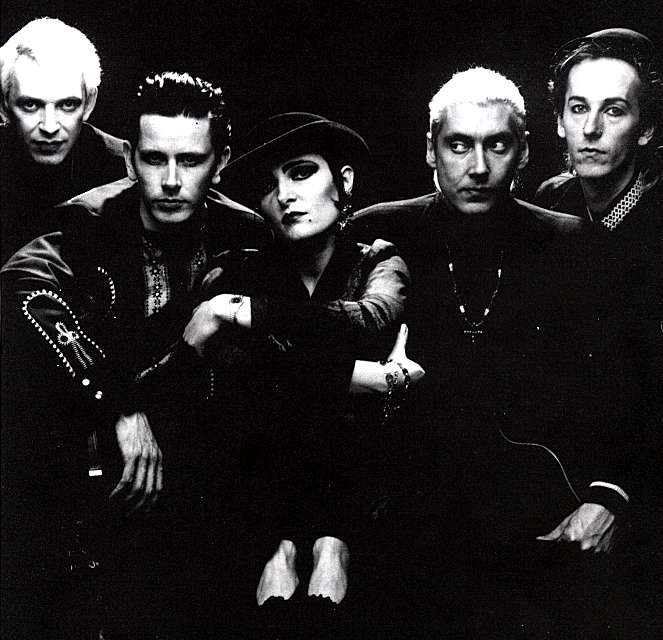
Ok, this is where it all begins.
‘Antichrist Superstar’ from Marilyn Manson’s ‘Antichrist Superstar’ album pumps into my ears. One look at the title and people would point at me, screaming, “Heresy!” and they would probably burn me at the stake. Seen as an iconic figure of Goth subculture, Marilyn Manson strikes the public as someone they should be afraid of. Goth music is always associated with dark clothing, heavy makeup, androgyny and non-conforming lyrics. Mention Goth music or icons like Marilyn Manson and people immediately associate suicide with them. This is a common misconception especially after the Columbine High School incident on 20 April 1999, where two teenagers went on a killing spree before killing themselves.
According to a study by the University of Glasgow that was published in the British Medical Journal, almost half of teenagers who identify with the Goth subculture have attempted suicide. As can be seen from the news article attached, 43 percent of the subjects of study associates with suicide while 57 percent with self harm. With such large numbers, it is not surprising for parents to feel worried when their children listen to such music. Coupled with the image of groups like Fields Of The Nephilim, Marilyn Manson and Siouxsie & the Banshees (see attached), parents think their children are joining some dark cult meant to worship Satan.
If you take away the heavy makeup, the elaborate dressings and the distorted sound effects in the music, would that make the bands more acceptable? Throw in some formulaic lyrics that conform to society’s façade on important and critical issues and the blame on mounting suicidal rates would shift to some other reason. Goths may have been depressed before following the Goth subculture. The public believes that Goth music further fuel the depression leading them to suicide. When the music identifies the critical issues at hand – like how parents do not communicate enough with their children – the public immediately points finger at Goth music when a teenager commits suicide.
Then, you begin to wonder. What is the real root of the problems of teenagers committing suicide? Is it really the Goth music or reasons like a miscommunication between the teenagers and the parents? For example, they have an argument with their parents, leading them to think they do not have understanding parents. Then, they succumb to depression and find solace in Goth music. After more arguments with their parents, in a split second, they commit suicide. The last “cause” seen before committing suicide is the Goth music they listened to before the act. The real cause before the involvement in Goth music was not tracked which is the miscommunication with the parents. It was more convenient to just blame Goth music rather than tracking the real cause all the way to the parents as it paints a bad picture of the parents.
People feel more comfortable when a serious issue is disguised as something that can be solved easily or is not as serious as it seems. They prefer to lie on a bed of roses rather than to lie on a bed of thorns. When the ugly truth is disclosed in Goth music, they regard the latter as something inappropriate for teenagers. If we continue to blame Goth music for the rise in suicide rates, will we really be able to lower the rates by preventing our children from listening to such music?